


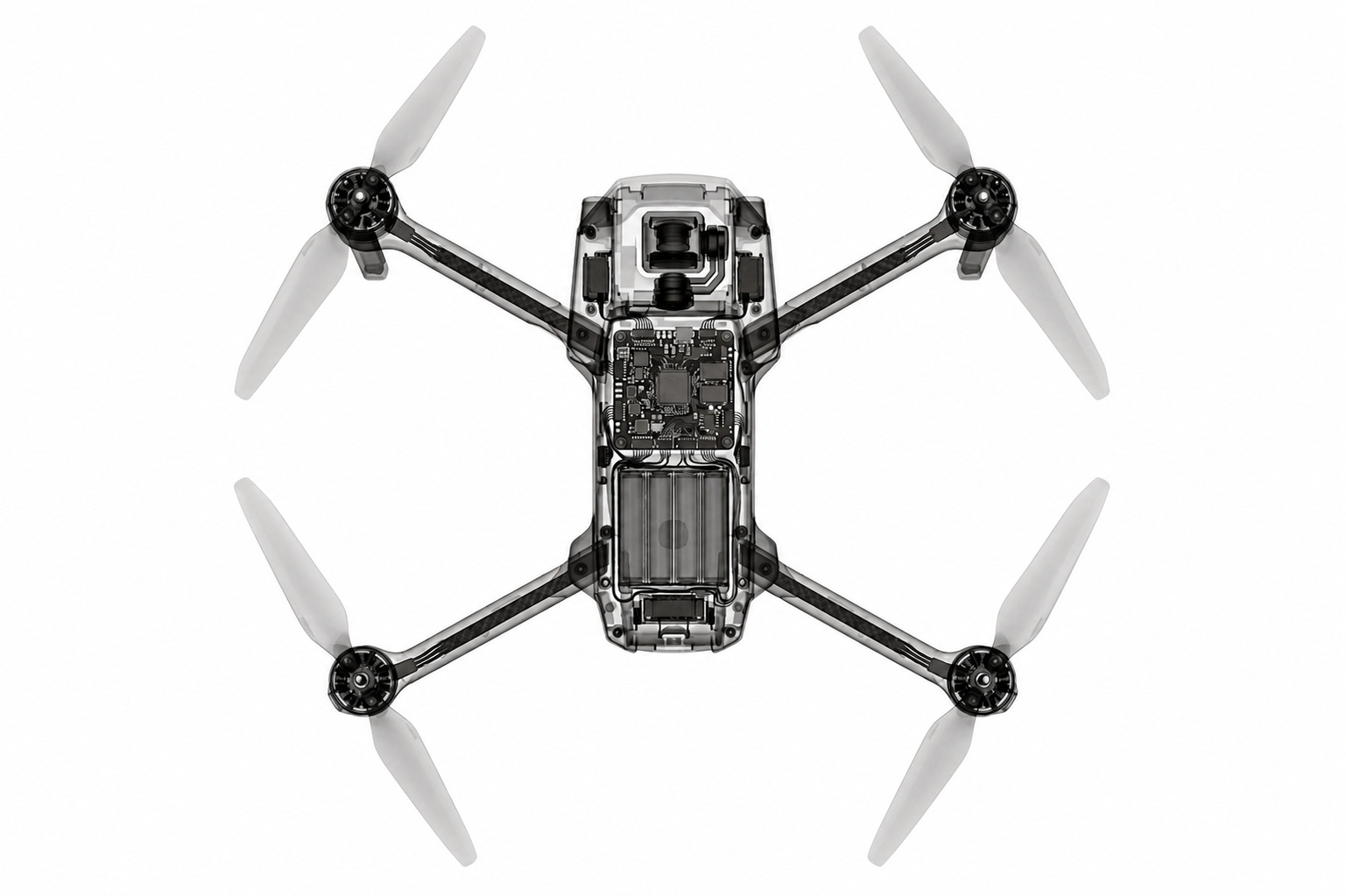
In a new piece for Brookings, I lay out a better US approach for dealing with risks from Chinese technology products, services, and investments.
Our current approach is ad hoc and fragmented.
A Chinese product suddenly takes the spotlight: Chinese drones, EVs, robots, port cranes, Wi-Fi routers, power inverters. Some part of our government—the FCC, the Pentagon, the Department of Commerce—places an effective ban or adds Chinese companies to a blacklist with little explanation or public debate. The problem might appear to be solved, but many key issues remain unaddressed.
We aren’t systematically looking for risks and taking a government-wide approach to addressing them.
Instead, I lay out a 5-step process that involves a more transparent evaluation of the particular risks and benefits of allowing certain Chinese tech products and investments in the US. I suggest reaching beyond blanket bans and instead drawing on our entire policy toolkit to mitigate these risks—from data localization requirements and supply chain audits to tariffs and import quotas.
We need to think about trade-offs.
We need targeted mitigation measures.
And we need to do this in a coordinated manner across the government—and ideally in collaboration with allies who face similar challenges.
Read the piece here:
A New Risk Framework for Chinese Technology Products and Investments
What I told Congress about the US-China AI race
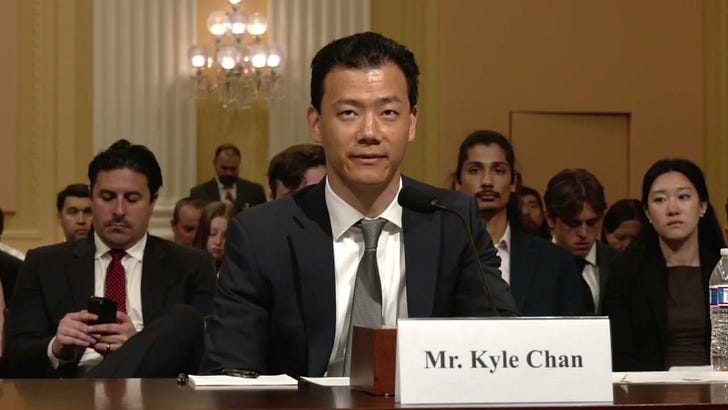
Last week, I had the honor of testifying as an expert witness before the U.S. House Select Committee on China. The topic for the hearing was US-China competition in AI. In my opening remarks, I tried to highlight a few basic points: